
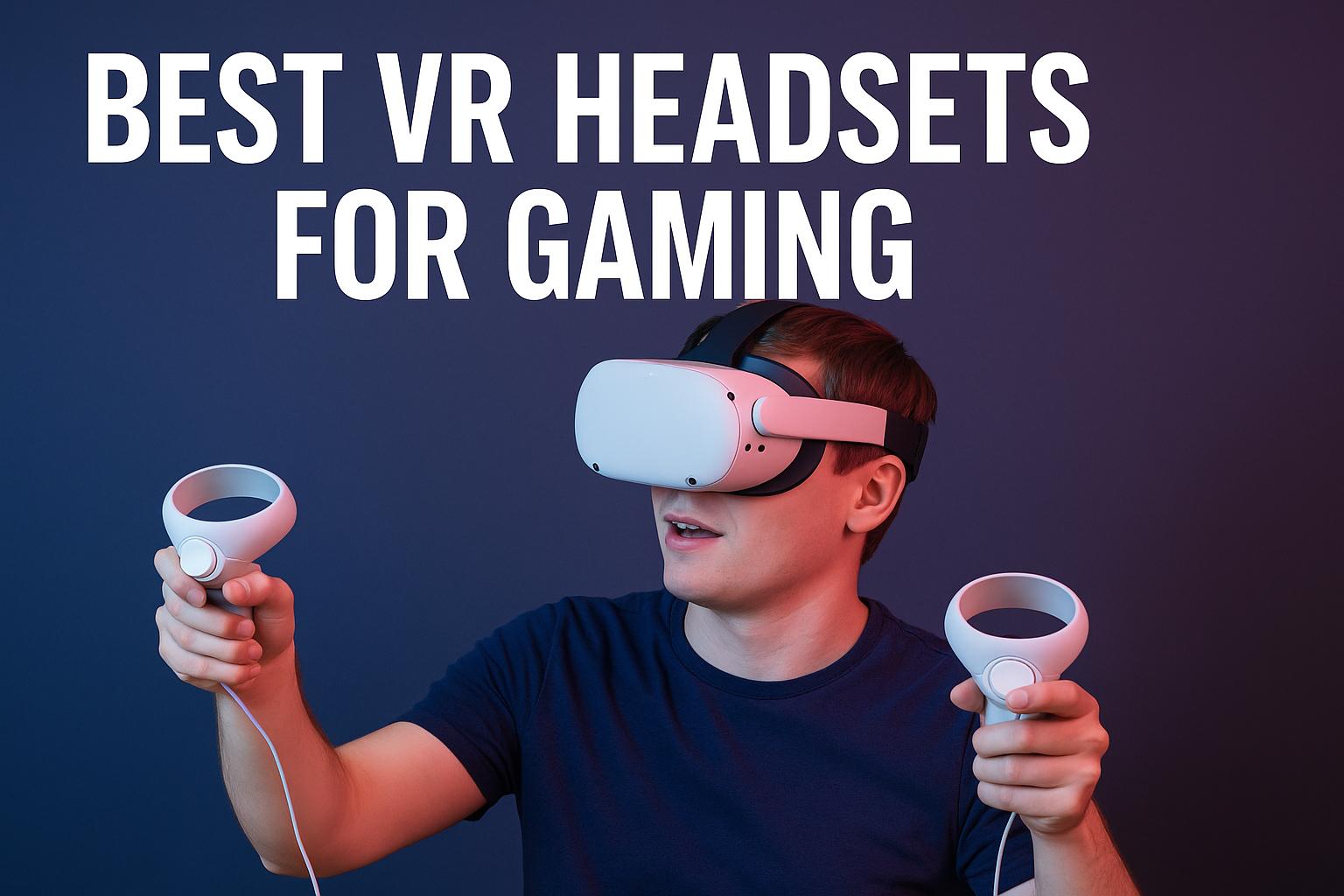
Introduction
Virtual reality (VR) has transformed significantly over the last few years, revolutionizing the way gamers experience digital worlds. As the demand for more immersive and engaging gaming platforms grows, VR technology continues to evolve, delivering enhanced realism and interaction. Choosing the right VR headset is essential for optimizing a gaming experience, as different headsets come with diverse features, compatibility, and performance levels. This article delves into some of the best VR headsets currently available in the market, assessing their standout features and performance capabilities to help inform your purchasing decision.
Oculus Quest 2
The Oculus Quest 2 stands out as one of the most popular VR headsets among gamers today. This is largely due to its all-in-one design, which eliminates the need for external PCs or consoles. The Oculus Quest 2 excels by offering a potent combination of powerful processing capabilities and high-resolution displays. As a result, users experience a gaming environment that is both smooth and immersive. The wireless setup is a significant advantage, affording gamers untethered movement and reducing the hassle associated with cable management.
Performance and Features
Equipped with Qualcomm’s Snapdragon XR2 platform, the Oculus Quest 2 delivers enhanced performance and graphics, reducing lag and latency during gaming sessions. Additionally, its generous field of view improves immersion, allowing players to feel truly a part of their game environments. The importance of the refresh rate cannot be overlooked, with the Oculus Quest 2 supporting up to 120Hz. This capability promises fluid visual performance, crucial for fast-paced titles where response time is key.
User Experience
Beyond technical specifications, the Oculus Quest 2 prioritizes user comfort, featuring adjustable straps and lightweight construction. These elements work together to ensure prolonged gaming sessions are comfortable without causing fatigue. Another important aspect is storage capacity, with options ranging from 128GB to 256GB, enabling users to store a broad array of games and applications. The robust audio performance, courtesy of the integrated speakers, enhances overall immersion, ensuring users are enveloped in both visual and auditory stimuli.
Valve Index
The Valve Index caters to hardcore gamers who demand top-tier performance. Although it requires a powerful PC for operation, this design choice translates to remarkable graphics and high refresh rates. Users can expect superior visual clarity and precision from the Valve Index, making it a preferred option for those unwilling to compromise on detail and performance. Gamers benefit from excellent frame rates, further enriching the gaming experience.
Impressive Audio and Visual Details
A standout feature of the Valve Index is its adjustable speakers, which offer high-fidelity audio, maintaining immersion while still allowing gamers to remain aware of their surroundings. These off-ear speakers deliver precise positional audio, adding depth to the gaming environment. The visuals, at a resolution of 1440×1600 per eye and refresh rates up to 144Hz, provide sharp and vivid imagery with minimal screen door effect, a common issue in lower-end headsets.
Design and Functionality
The ergonomic design includes an adjustable head strap and eye relief, catering to different user preferences and ensuring extended comfort. Its field of view is wider than many competitors’, coming in at approximately 130 degrees. Although tethered, the Valve Index maintains meticulous attention to detail in both construction and function, appealing to users who prioritize stability and robustness in their gaming setups.
Sony PlayStation VR
The Sony PlayStation VR is ideally suited for console gamers, particularly those who already own a PlayStation 4 or PlayStation 5. While it may not boast the highest resolution in the market, its ease of integration with the PlayStation console means that users benefit from a straightforward setup and seamless operation. This characteristic makes it a convenient choice for those accustomed to gaming on Sony platforms.
Seamless Console Integration
Designed for compatibility with existing PlayStation platforms, the PlayStation VR makes accessing a wide array of titles effortless. It capitalizes on its refresh rate, reaching up to 120Hz, to deliver smooth gameplay even with moderate resolutions of 960×1080 per eye. This balance ensures an enjoyable gaming experience without necessitating top-tier visual specifications. Additionally, the PlayStation VR’s design allows users to leverage PlayStation’s extensive game library, providing a wide variety of entertainment options.
Ergonomic Considerations
Beyond technical aspects, the PlayStation VR emphasizes user comfort with its lightweight headgear and ease of use. The headset is engineered to ensure it fits securely while minimizing pressure points. Sony’s focus extends to its social features, facilitating interaction with other players, which could enrich multiplayer experiences. This strategy underlines Sony’s commitment to a gamer-centric user experience.
HTC Vive Pro 2
The HTC Vive Pro 2 targets both professional users and discerning gamers who prioritize high-resolution visuals. Like the Valve Index, it necessitates connection to a powerful PC for optimal operation. However, this requirement enables it to deliver some of the most vibrant and sharp images available in the VR industry, extending its utility beyond gaming into more professional applications.
Visual Excellence
Featuring impressive technical specifications, the HTC Vive Pro 2 supports a resolution of 2448×2448 per eye and a refresh rate of up to 120Hz. This setup provides a staggeringly detailed and clear visual experience, minimizing screen door effects and maintaining image fidelity. The 120-degree field of view enhances peripheral vision, enabling users to feel fully immersed in their virtual surroundings.
Adaptability and Versatility
HTC has taken significant steps to ensure the Vive Pro 2 remains adaptable and versatile. The device is compatible with a wide range of accessories and can be integrated into more comprehensive VR setups, which may include additional sensors and peripherals for custom configurations. The result is a flexible system, suitable for varying user needs, from gaming to professional VR applications such as design and virtual meetings.
Conclusion
As the VR industry continues to grow, selecting the right headset requires thoughtful consideration of features, performance, and compatibility with existing gaming infrastructure. Whether it’s the wireless freedom offered by the Oculus Quest 2, the high-end performance of the Valve Index, the console integration of Sony PlayStation VR, or the visual prowess of the HTC Vive Pro 2, each option provides unique benefits tailored to different types of gamers. By examining the individual attributes of each headset, gamers can make informed decisions based on personal preferences and usage requirements, ensuring an optimal and immersive virtual reality gaming experience.