
Introduction
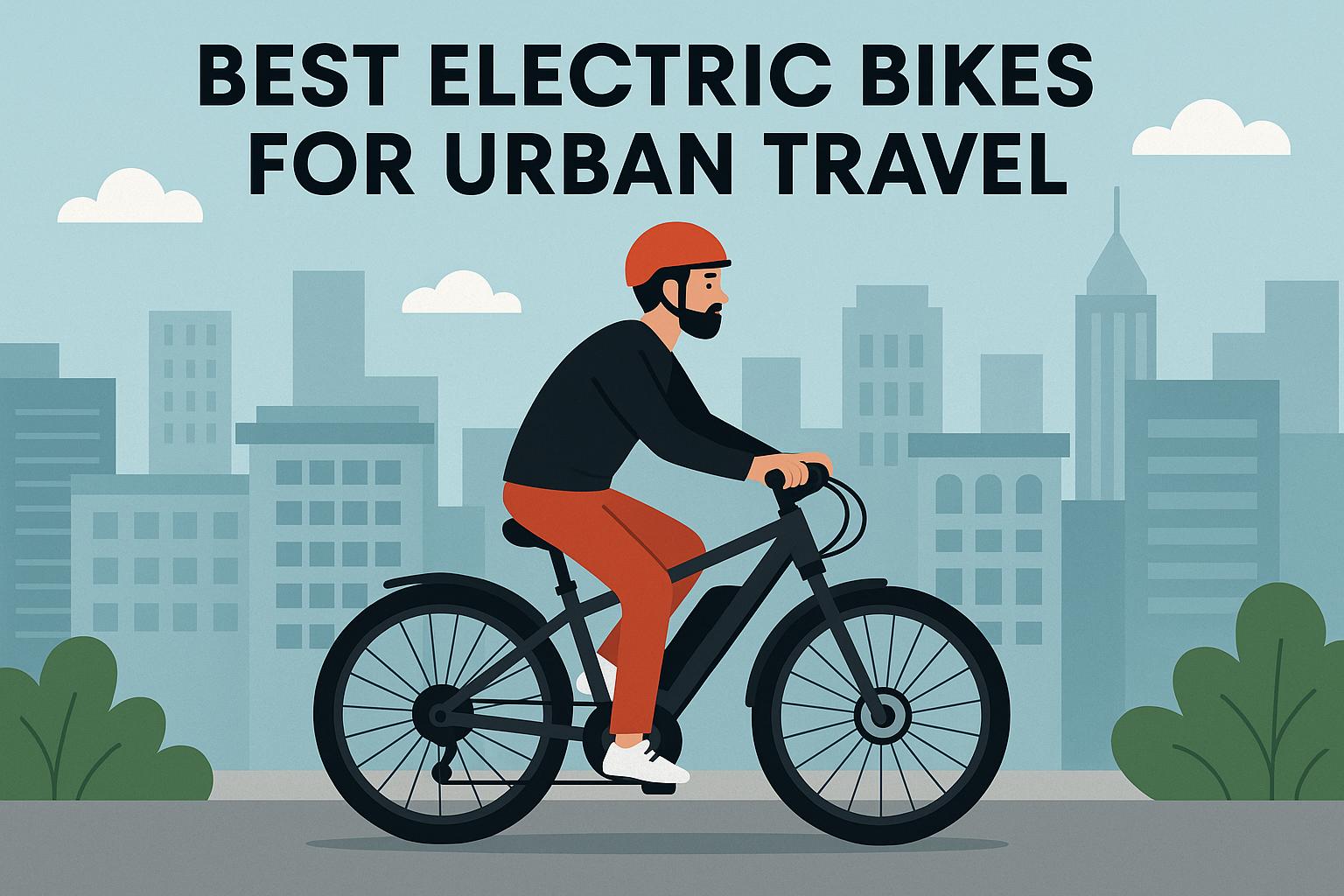
Electric bikes have emerged as a significant innovation in urban transportation, transitioning from a niche market to a mainstream choice for many city dwellers. As urban areas expand and the challenges associated with vehicular congestion become more pronounced, these bikes stand out as both a practical and environmentally friendly alternative to traditional forms of transport. Their adoption is spurred by the growing awareness of sustainability and the increasing need for efficient commuting solutions. This document delves into the attributes of some leading electric bikes, which are particularly suited for urban commutes, evaluating them on critical parameters such as battery performance, build durability, user-friendliness, and other standout features.
Key Features to Consider
When in the market for an electric bike tailored for city commuting, certain key features warrant careful consideration. Prioritizing these elements can significantly enhance the overall biking experience and ensure the selected model aligns well with the urban commuter’s lifestyle.
Range and Battery Life
At the heart of an electric bike’s utility is its battery life, which dictates how far one can travel before necessitating a recharge. For city commuting, a single charge range of 20-30 miles generally suffices, given typical commuting distances. Importantly, the recharging time also plays a significant role, impacting how soon the bike can be back on the road, thereby minimizing potential downtime.
Motor Power
The motor power is a crucial determinant of an electric bike’s speed and overall performance. In urban settings, where traffic dynamics can vary and terrains might present mild challenges, a motor within the range of 250 to 500 watts is generally adequate. This range assures enough velocity to keep up with the flow of traffic while ensuring the rider can navigate various road conditions effectively.
Portability and Storage
Given the constraints of urban living, including space limitations for storage and the need for multi-modal commutes, the foldability and weight of the bike are essential considerations. The ability to easily collapse a bike and its lightweight nature facilitate storage in compact spaces or transport on public transit systems.
Top Electric Bikes for Urban Commuting
Rad Power RadCity
The Rad Power RadCity distinguishes itself with a blend of robustness and reliable performance. It is crafted with a potent 750-watt motor complemented by a 672Wh battery. This configuration affords a commendable range of up to 45 miles per charge. The inclusion of wide tires not only enhances stability but also optimizes the riding experience across varied urban terrains. Additionally, the presence of a rear rack makes it convenient for transporting groceries and other bulky items, positioning it as a practical choice for urban errands.
Trek Verve+
The Trek Verve+ series caters to those valuing both comfort and efficiency in their commute. It is equipped with a Bosch mid-drive motor, which offers smooth, responsive assistance and ensures balanced weight distribution — a crucial element for easy handling. The battery’s capability to support journeys of up to 50 miles on a single charge makes it ideal for extended commutes, reducing the frequency of recharges while enhancing commuter confidence in power sustainability during longer rides.
Ancheer Power Plus
For individuals newly venturing into the world of electric bikes, the Ancheer Power Plus represents an economically accessible choice. It is built around a 250-watt motor paired with a 36V 8Ah removable battery, which facilitates a manageable range of approximately 20 miles. This range, coupled with its lightweight design, equips it for seamless maneuvering within crowded city conditions, making it an attractive option for new users.
Durability and Build Quality
When selecting an electric bike for urban environments, durability and build quality are significant considerations. Urban commutes can be hard on bikes, with frequent stops, starts, and rough terrains. Choosing a bike constructed with high-quality materials ensures longevity and resilience against the bumps and scrapes commonly encountered in city settings. Robust frames and reliable components contribute to the overall reliability of the bike, ensuring it withstands the rigors of daily use.
Additional Features
Electric bikes often come with additional features that can enhance convenience and safety. Integrated lighting systems, digital displays, and built-in GPS systems can be particularly advantageous for urban riders. These features not only contribute to a more comfortable riding experience but also enhance the bike’s functionality in varying urban scenarios. Considering these additional features can align the bike’s capabilities with the user’s specific commuting needs.
Conclusion
The choice of an electric bike for urban commuting is not merely a purchase but an investment in a sustainable and efficient mode of transportation. By evaluating critical elements such as battery life, motor power, and additional features, prospective buyers can find a model that best suits their individual needs and lifestyle. The Rad Power RadCity, Trek Verve+, and Ancheer Power Plus each offer unique advantages and are representative examples of the diversity available in the electric bike market. These options facilitate a more environmentally conscious commuting approach, allowing city dwellers to navigate through the urban landscape effectively while minimizing their carbon footprint.