Introduction
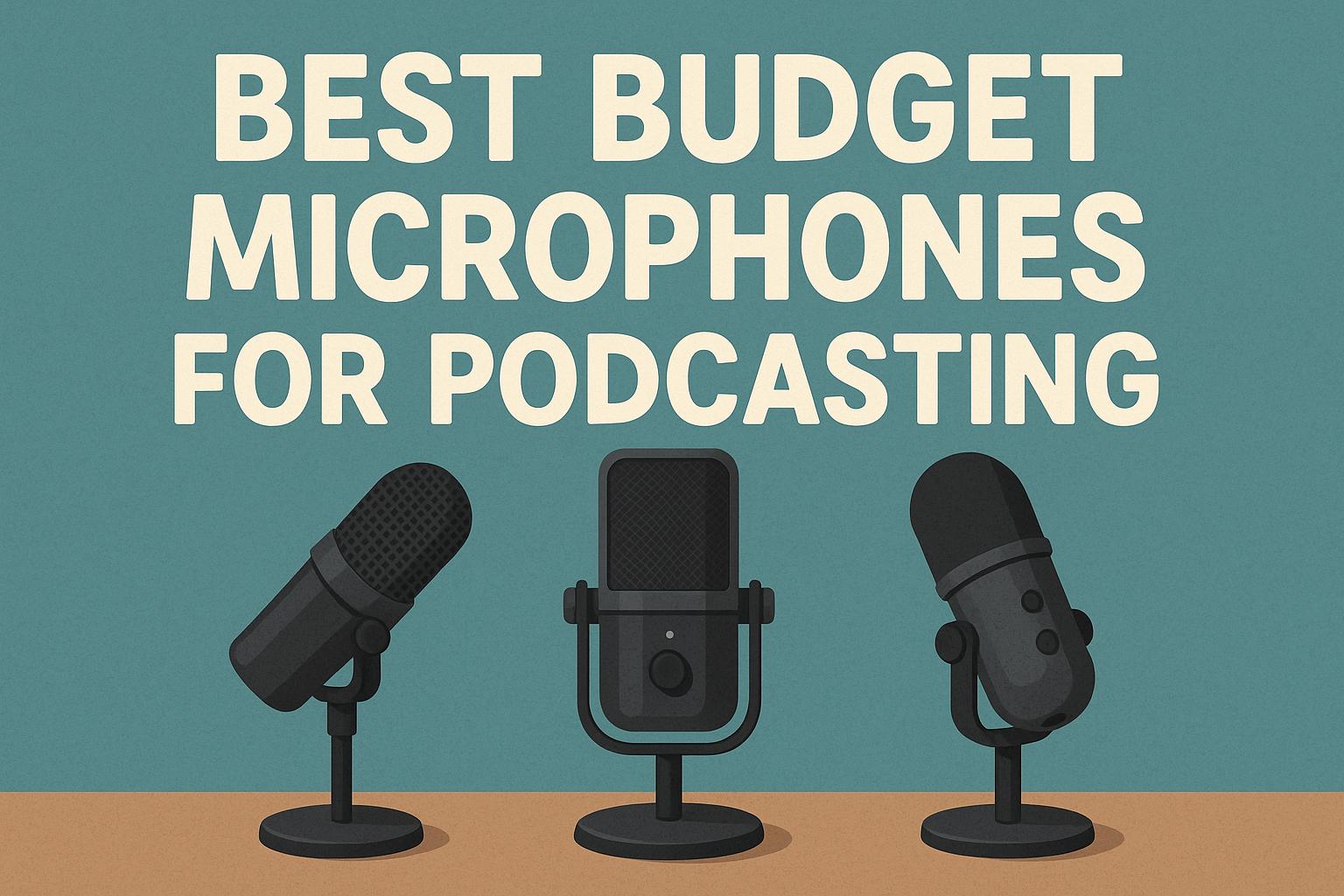
Starting a podcast is an exciting and rewarding journey that allows creators to communicate their ideas, stories, and expertise to a broad audience. However, one critical aspect of launching a successful podcast is ensuring high-quality audio, which largely depends on the microphone used. For many budding podcasters, budget constraints can pose a significant challenge. Fortunately, there are several budget-friendly microphones on the market that do not compromise on audio quality, making it possible to achieve professional-sounding recordings without significant financial investment. This comprehensive guide will explore some of the best budget-friendly microphones available, focusing on those suitable for podcasters looking for quality sound without breaking the bank.
USB Microphones
USB microphones have become a staple for many podcasters due to their simplicity and user-friendliness. These microphones are designed for direct connection to a computer, eliminating the need for additional audio interfaces or complex setups.
Blue Snowball iCE
The Blue Snowball iCE microphone is celebrated among novice and experienced podcasters alike for its remarkable simplicity and dependable audio quality. Right out of the box, the Blue Snowball iCE offers a straightforward plug-and-play experience, ensuring that podcasters can get started immediately without the hassle of complicated installation processes. This plug-and-play feature is facilitated by the microphone’s USB connectivity, enabling users to easily connect it to a computer for instant use. Its design also features a cardioid polar pattern, which focuses on isolating the main sound source. This pattern is particularly effective in reducing ambient and background noise, ensuring that the speaker’s voice is captured clearly and distinctively. Consequently, podcasters using the Blue Snowball iCE can achieve a more professional and polished sound, enhancing the listening experience for their audience.
Audio-Technica ATR2100x-USB
The Audio-Technica ATR2100x-USB microphone is another excellent choice for podcasters seeking flexibility and high-quality audio capture. One of its standout features is the dual USB and XLR outputs, offering versatility to users who might want to expand or upgrade their setup as their podcasting endeavors grow. This dual connectivity option allows the ATR2100x-USB to be used directly with computers via USB, or connected to more sophisticated audio interfaces using XLR connections. Known for its durability, this microphone is designed to withstand frequent use and handling, ensuring long-term reliability. It also boasts a cardioid polar pattern, which is adept at capturing vocal nuances while minimizing extraneous noise from the surroundings. This capability makes the ATR2100x-USB an attractive option for podcasters who desire clear, detailed audio recordings.
XLR Microphones
XLR microphones are favored by many audio professionals for their superior sound quality, but they typically require additional equipment, such as audio interfaces or mixers, for connection to a computer. Despite this, their potential for higher audio fidelity makes them a worthy investment for podcasters seeking to take their audio production to the next level.
Behringer Ultravoice XM8500
The Behringer Ultravoice XM8500 is a dynamic microphone that stands out for its affordability and solid performance. Known for its robust construction, it is well-suited to environments where durability is a necessity. The XM8500 features a cardioid polar pattern, similar to other microphones mentioned, which focuses on capturing the speaker’s voice while reducing background sounds. This makes it ideal for settings with potential ambient noise interruptions. Its affordability combined with reliable performance makes it an excellent option for podcasters who want the benefits of an XLR microphone without a significant financial outlay.
PYLE PDMIC78
The PYLE PDMIC78 microphone is modeled after industry-standard models, offering substantial quality on a budget. This microphone delivers a warm and clear sound, characteristics that are particularly beneficial for voice recordings common in podcasting. Its sturdy construction ensures that it can handle regular use, making it a dependable choice for podcasters who require equipment that can withstand the rigors of frequent podcasting sessions. The PDMIC78’s blend of quality, affordability, and durability makes it a strong contender for podcasters wishing to keep to a budget without sacrificing audio integrity.
Considerations for Choosing a Budget Microphone
When selecting a budget microphone for podcasting, several important factors should be considered to ensure that the chosen microphone aligns with the user’s specific needs and setup.
Connectivity
One of the primary considerations is connectivity. Podcasters should evaluate their current recording setup and consider whether a USB connection, offering simplicity and ease of use, or an XLR connection, offering potential for greater audio quality, is more suitable for their needs. Those who anticipate an eventual upgrade of their setup might find microphones with dual USB and XLR outputs particularly beneficial.
Polar Pattern
The polar pattern of a microphone dictates its directional sensitivity. Microphones with a cardioid polar pattern, such as those discussed, are common in podcasting due to their ability to focus on capturing sound from a specific source while minimizing unwanted ambient noise. This feature is particularly important for podcasters recording in less controlled environments, where external sounds might be a concern.
Build Quality
Durability is another crucial factor. A well-constructed microphone can withstand frequent handling and transportation, which is essential for podcasters who need to set up and dismantle equipment regularly. Ensuring that the microphone is robust and designed for longevity can save costs on replacements and repairs in the long run.
Compatibility
Finally, compatibility with existing equipment and software is critical. It’s important to confirm that the chosen microphone is compatible with the user’s recording software and setup to avoid technical issues that could disrupt the recording process.
Conclusion
In conclusion, investing in a high-quality microphone is a crucial step for anyone serious about podcasting, but this investment does not necessarily have to be substantial. The budget-friendly microphones reviewed offer a range of features and capabilities that cater to various needs, whether for beginners or more seasoned podcasters looking to enhance their audio quality. Ultimately, the best budget microphone is one that aligns with the user’s specific podcasting requirements and fits within their budget constraints, providing a blend of good sound quality, durability, and ease of use. By carefully considering factors such as connectivity, polar pattern, build quality, and compatibility, podcasters can make informed decisions and select microphones that will serve them well on their podcasting journey.