Understanding Water Filtration
Ensuring the quality of tap water is essential for maintaining good health. Even in regions where tap water is considered relatively safe, impurities can still be present. Water filters provide a straightforward solution to enhance water quality by removing contaminants. The process of water filtration is crucial not only for drinking purposes but also for cooking and various uses around the house. Knowing how filters work and the options available is a vital step toward ensuring that you and your family receive the best quality water possible.
Types of Water Filters
Various types of water filters are available, each with its specific advantages. Understanding these can help in choosing the most suitable option for your needs. With a diversity of methods and technologies designed to target specific impurities, being informed about your choices can lead to better health outcomes and peace of mind.
Activated Carbon Filters
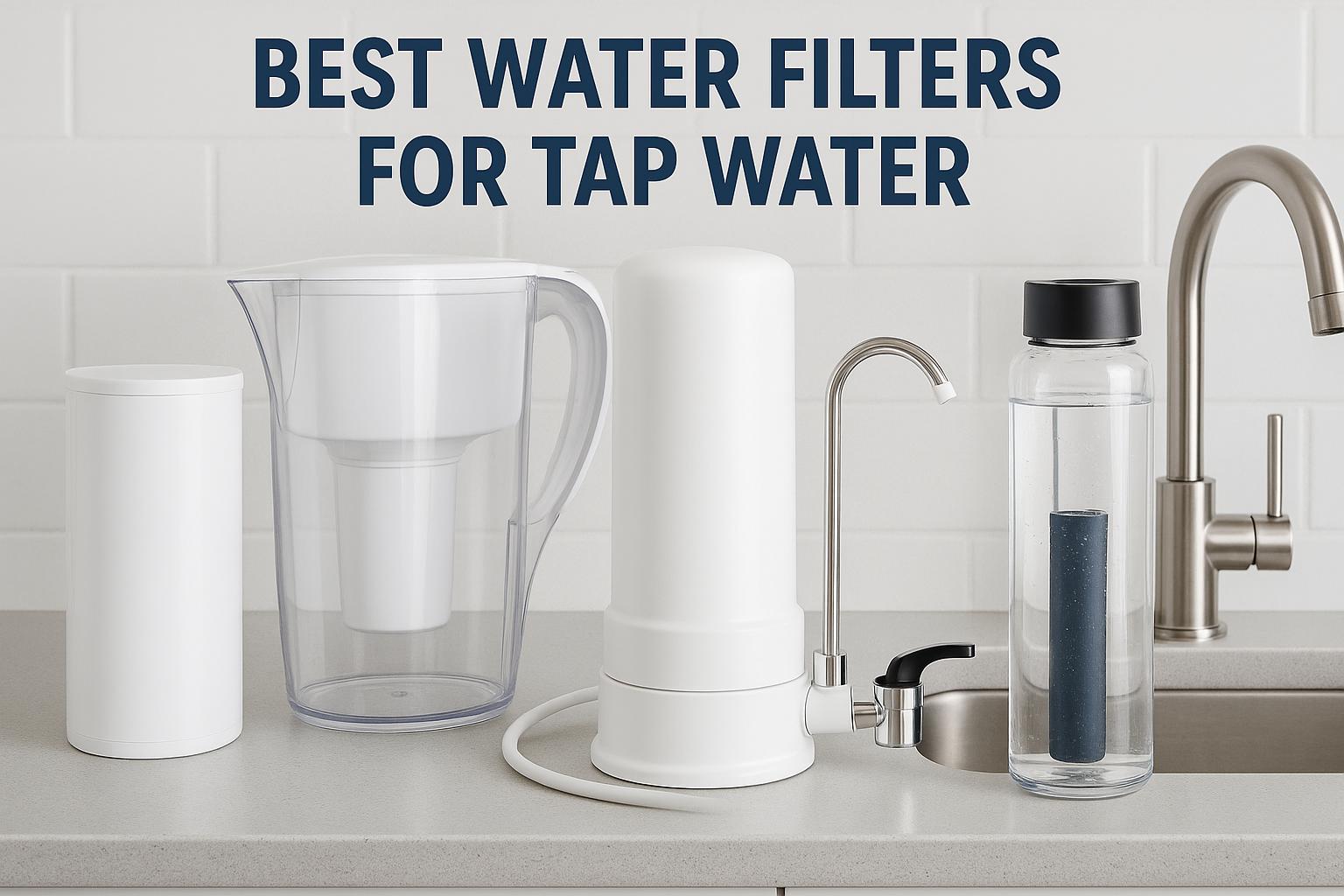
Activated carbon filters are among the most commonly used filters due to their ability to effectively remove certain organic contaminants and chlorine. Chlorine is often present in municipal water to disinfect it, but its presence can affect the taste and smell of water, making it less appealing for personal use. These filters operate by adsorbing impurities onto the surface of the activated carbon. The adsorption process involves the chemical attraction of contaminants to the surface of the carbon granules, effectively trapping them. Activated carbon filters are usually found in water pitcher filters, faucet-mounted filters, and even some under-sink models.
Reverse Osmosis Filters
Reverse osmosis systems are highly effective at removing a broad range of contaminants, including ions, molecules, and larger particles. This effectiveness makes them a preferred choice for many households looking to ensure water purity. Reverse osmosis works by forcing water through a semipermeable membrane, leaving contaminants behind. This method, while highly effective, does produce wastewater as a byproduct and may require professional installation, typically taking up more space compared to other filtration systems. Despite the initial cost and installation considerations, the level of filtration provided is unparalleled, making it a worthwhile investment for many.
UV Filters
UV filters make use of ultraviolet light to disinfect water by inactivating bacteria and viruses. This method is particularly advantageous in situations where biological contaminants are a primary concern. The process involves exposing water to UV light, which penetrates and disrupts the DNA of microorganisms, rendering them harmless. However, it’s important to note that while UV filters excel in microbial purification, they do not remove chemical contaminants from water. Thus, they are often used in conjunction with other filtration methods to provide comprehensive water purification.
Ceramic Filters
Ceramic filters are notable for their effectiveness in removing bacteria and protozoa from water. These filters are made of ceramic materials that contain tiny pores, which physically block these harmful organisms from passing through. One significant advantage of ceramic filters is their reusability; they can often be cleaned and maintained over time, making them a sustainable choice for those interested in reducing waste. Suitable for both point-of-use and portable filtration systems, ceramic filters offer a practical solution for many looking to improve their water quality.
Key Considerations When Choosing a Water Filter
When selecting a water filter, several factors should be considered to ensure it meets your specific needs. A tailored selection process can ensure the optimum balance of cost, convenience, and efficiency. A careful evaluation of these factors can help you arrive at the best possible choice for your circumstances.
Contaminants Present
Testing your tap water to identify specific contaminants is a critical first step. This evaluation will guide you in choosing the filter type that effectively targets those impurities. Knowing whether your water contains heavy metals, microbial elements, pharmaceuticals, or other pollutants will allow for a targeted approach in your filtration strategy. Many municipalities provide water quality reports, which can offer valuable insight into the types of contaminants present in your local water supply.
Filter Capacity and Lifespan
Filter capacity refers to the amount of water a filter can handle before requiring replacement, and this is an important aspect of maintenance and long-term planning. Understanding the capacity will help evaluate the frequency and cost of replacements, impacting the overall long-term costs of using a particular system. Some filters indicate capacity in terms of gallons filtered, while others provide an estimated duration of use, such as several months. This information is essential for budgeting and for ensuring uninterrupted access to clean water.
Installation and Maintenance
Ease of installation and maintenance is another important factor to consider when selecting a water filter. Some filters, like pitcher filters, are designed for easy setup and minimal maintenance, making them suitable for individuals seeking a low-effort solution. On the other hand, systems like reverse osmosis may offer superior filtration but often require professional installation and more involved upkeep. Understanding the commitments involved in maintaining different types of filters can prevent inconvenience and ensure you have all tools and resources prepared in advance for future needs.
Summary
Selecting the best water filter for tap water involves understanding the types of filters available and matching them to your specific requirements. Careful consideration of factors such as the contaminants present, filter capacity, and ease of maintenance will guide you in finding the most effective solution for ensuring water safety and quality in your home. By prioritizing these factors, one can make an informed choice that balances efficiency, cost, and practicality. Ultimately, investing in a sound water filtration system is a proactive step towards safeguarding the health and well-being of all who consume your household’s water.