
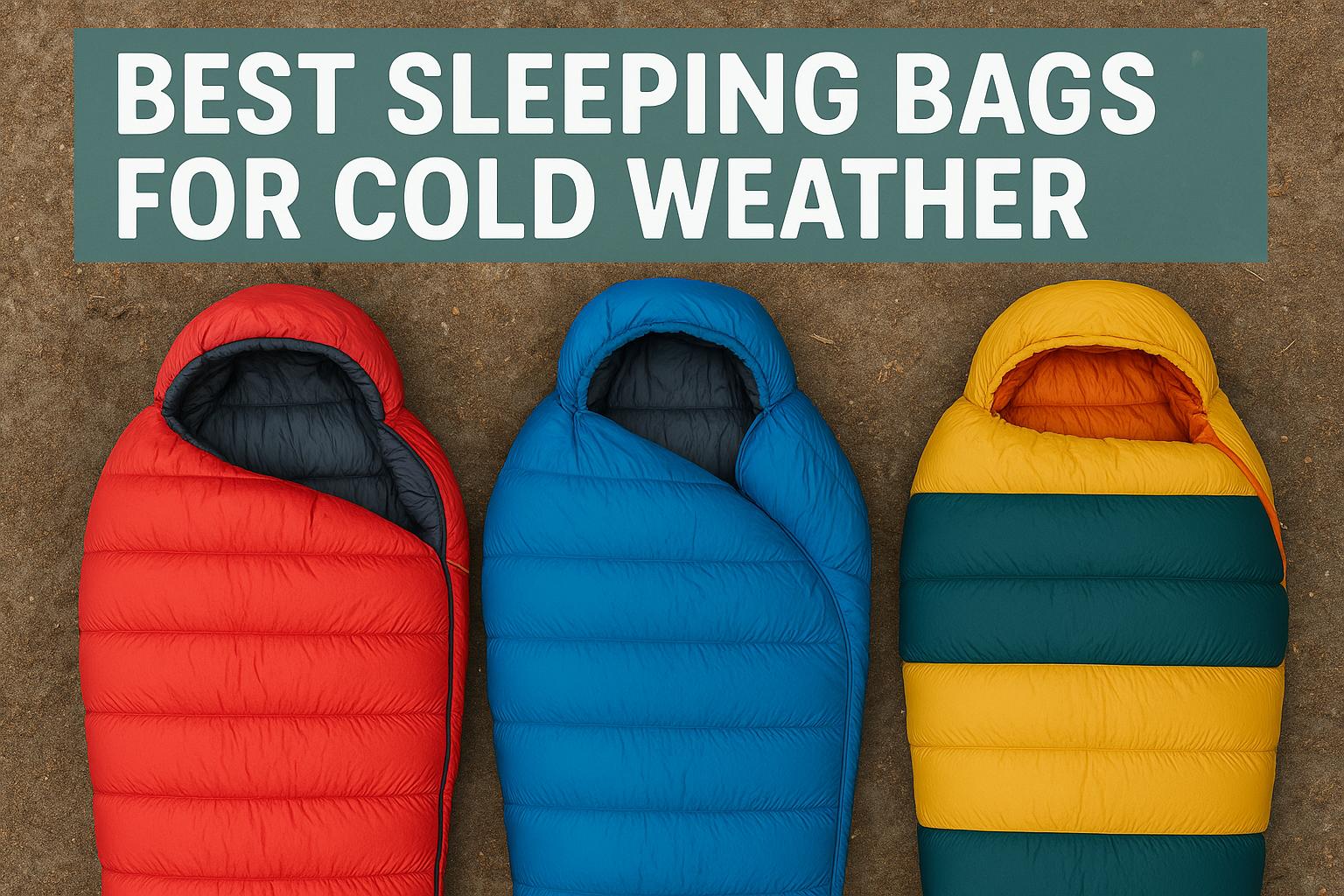
Understanding Cold Weather Sleeping Bags
When venturing into cold environments, your choice of sleeping bag can significantly affect your comfort and safety. Several factors, such as temperature rating, insulation type, and additional features, determine a sleeping bag’s suitability for cold weather. Exploring these aspects in detail will help you make an informed decision and enhance your outdoor experiences.
Temperature Rating
The most critical consideration when choosing a sleeping bag for cold weather is its temperature rating. This specification indicates the lowest temperature at which the bag will keep you warm. For extremely cold conditions, opt for bags with ratings below 0°F (-18°C). Ensure that the temperature rating aligns with the coldest conditions you anticipate encountering. It’s essential to consider your body’s natural tendency to feel colder or warmer than the average person and adjust your choice accordingly.
Three-Season vs. Winter Bags
Three-season bags, typically rated between 15°F and 32°F (-9°C and 0°C), are suitable for spring, summer, and fall. These bags strike a balance between warmth and versatility, accommodating varied conditions. However, for winter adventures, a winter-specific bag, often rated below 0°F, is essential for keeping you warm during sub-zero conditions. These bags are designed to withstand extreme cold and often come with additional features to improve heat retention.
Insulation Type
The insulation material of a sleeping bag plays a crucial role in its performance. Two primary types are commonly used: down and synthetic. Each has its unique advantages and considerations.
Down Insulation
Down insulation offers excellent warmth-to-weight ratio and compressibility, making it a popular choice for cold weather. Down bags often provide superior warmth but may lose insulation properties when wet. Look for bags with hydrophobic down or a water-resistant shell to mitigate this risk. Additionally, the fill power of the down is an important metric; higher fill power indicates better quality down, leading to greater loft and warmth.
Synthetic Insulation
Synthetic insulation, usually made from polyester, retains warmth even when wet. While heavier and less compressible than down, synthetic bags are more affordable and perform better in damp environments. They are an excellent option for areas prone to wet conditions and provide reliable insulation even when exposed to moisture. Maintenance-wise, synthetic bags are easier to care for and are an economically sound choice for many outdoor enthusiasts.
Shape and Design
The shape and design of a sleeping bag influence its thermal efficiency and comfort. The two basic shapes are mummy and rectangular, each catering to different needs and preferences.
Mummy-Shaped Bags
Mummy bags, characterized by their tapered design, offer maximum warmth by reducing air space around the body. The snug fit minimizes heat loss, making them a preferred option for cold weather. They are designed to match the human form closely, providing head-to-toe coverage and often incorporating a built-in hood for additional warmth. This design efficiently traps heat, ensuring a cozy night’s sleep in frigid conditions.
Rectangular Bags
Rectangular bags provide more space but are less efficient at retaining heat. They may be a better choice for mild cold adventures where warmth is less of a priority. These bags offer more room to move and can double as a blanket when unzipped completely. Although their bulk and potential inefficiency in extreme low temperatures make them unpopular for cold climates, their versatility is unmatched in less severe environments.
Hood and Draft Collars
A well-designed hood and draft collar help retain warmth by sealing openings around the head and neck. These features are essential for minimizing heat loss in windy and cold conditions. Adjustable hoods provide a tailored fit, reducing wind exposure around the face and neck areas. Draft collars form a barrier between the bag’s interior and the outer environment, restricting the flow of cold air and offering an extra layer of protection.
Additional Features
Modern sleeping bags often include features that add convenience and comfort. Internal pockets offer storage for small items, ensuring they remain warm and accessible during the night. Anti-snag zippers facilitate smooth operation, reducing frustration and potential damage to the bag. Furthermore, some sleeping bags incorporate thermal footboxes for added warmth to your extremities, a beneficial feature for individuals with circulation concerns.
Top Picks for Cold Weather Sleeping Bags
While many sleeping bags are available, certain models consistently receive high praise for their performance in cold conditions. Some noteworthy options include:
- Mountain Hardwear Phantom: Known for its warmth-to-weight ratio and high-quality down insulation. This sleeping bag offers exceptional compressibility and reliability in maintaining heat, making it ideal for those embarking on rigorous cold-weather expeditions.
- REI Co-op Magma: A great value option with a comfortable fit and superb warmth. It blends affordability with performance, ensuring backpackers and hikers get the most out of their investment without compromising on quality.
- Western Mountaineering Kodiak: Renowned for excellent craftsmanship and warmth, suitable for the coldest environments. Its robust design ensures long-lasting durability and maximum comfort even in the harshest conditions.
Each of these models caters to different needs, preferences, and budgets, offering varying blends of warmth, weight, and packability. Determining the best option involves balancing factors related to your expected climate, personal comfort needs, and financial considerations.
Conclusion
Choosing the right sleeping bag for cold weather involves considering various factors such as temperature rating, insulation type, and design. Additionally, understanding the environmental conditions and matching the sleeping bag’s specifications to your personal comfort needs is vital. Invest in a high-quality sleeping bag suited to the conditions you expect. This decision will enhance your outdoor experience, ensuring warmth and safety in cold environments. By prioritizing warmth and professional features that suit your requirements, you significantly improve your chances of enjoying your cold-weather adventure comfortably and securely, remaining well-protected against the elements.