The Importance of Choosing the Right Laptop for Students
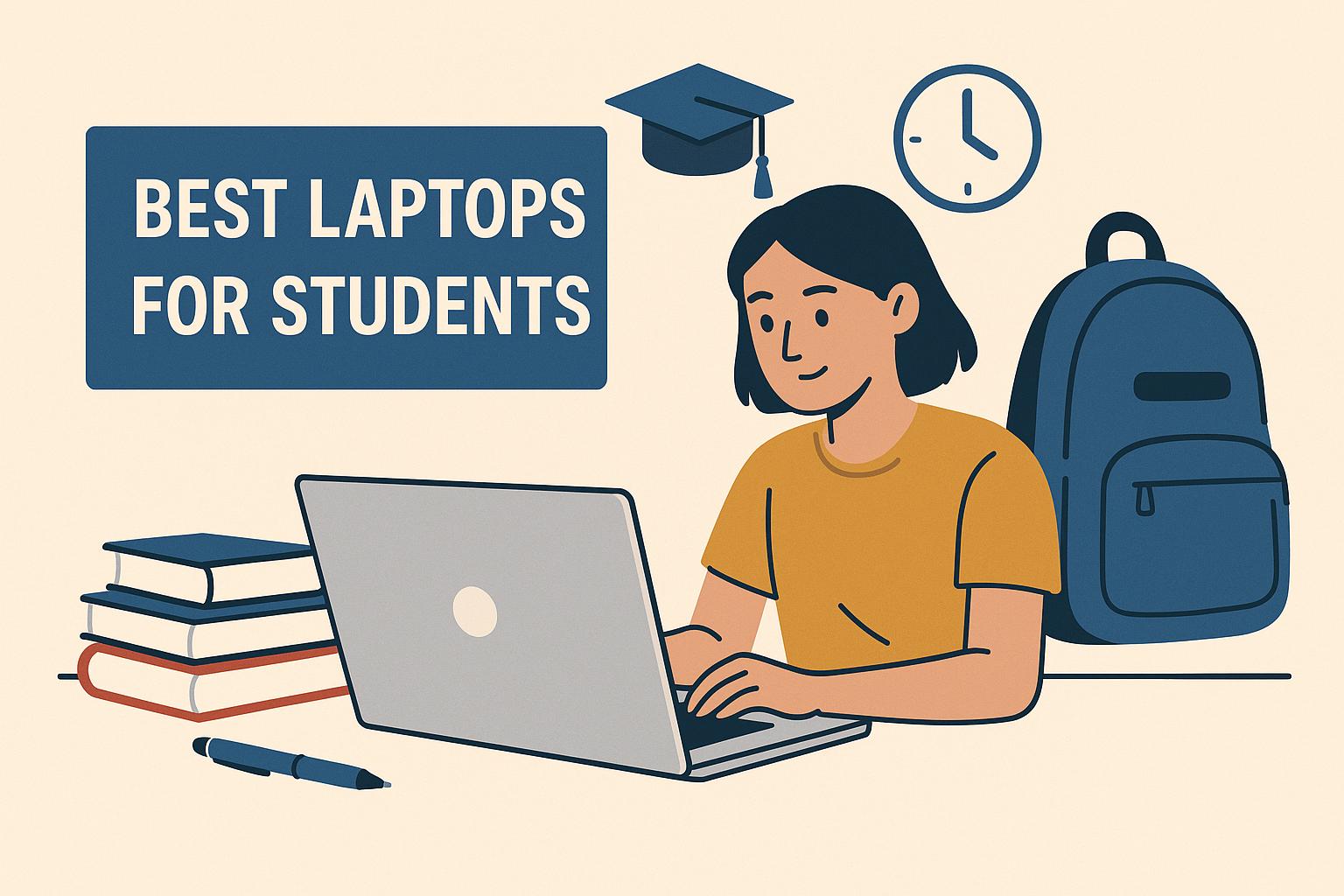
In today’s educational landscape, having a reliable laptop is essential for students. Whether it’s for online classes, research, or completing assignments, the right laptop can greatly enhance a student’s academic experience. This article will explore some key considerations and recommendations for selecting the best laptops for students.
Key Considerations for Student Laptops
When choosing a laptop for educational purposes, students should focus on several important factors:
Portability
One of the foremost considerations for a student looking to purchase a laptop is portability. Students often need to carry their laptops between classes, libraries, and their homes. Therefore, a lightweight and compact laptop ensures ease of transport and convenience. Not only does portability affect the ease of carrying the laptop, but it also plays a role in where and when studying can happen. For instance, a student with a portable laptop can comfortably work remotely from a café or access study materials during a commute.
Performance
Performance is another critical dimension that students must consider when selecting a laptop. Depending on the student’s field of study, the laptop should have adequate processing power. An Intel Core i5 or equivalent processor, along with at least 8GB of RAM, is recommended for smoother multitasking and performance. This configuration is especially relevant for students who run multiple applications simultaneously or engage in tasks such as coding, graphic design, or data analysis. A laptop’s performance can ultimately influence a student’s productivity by minimizing lags and downtime.
Battery Life
Battery life is paramount, given that students may have long school days with limited access to power outlets. A robust battery capacity allows students to attend an entire day’s worth of classes without needing a recharge. It is crucial that students choose a laptop with a battery life that aligns with their daily schedules and workload. With a sustainable battery, students have the flexibility to work from virtually anywhere without constant fears of the laptop shutting down at crucial moments, such as during exams or when submitting assignments.
Operating System
The choice between Windows, macOS, and Chrome OS largely depends on personal preference and software compatibility. Each operating system offers unique features, so students should consider which environment best suits their needs. Windows offers a robust framework with extensive software compatibility, macOS integrates well with creative software, and Chrome OS provides a more lightweight, web-centric experience. Evaluating software specifications in correlation with academic requirements ensures that students select an OS that complements their curriculum.
Affordability
A critical aspect that can’t be overstated is the budget. Many students operate within tight financial constraints and look for a cost-effective device that doesn’t skimp on necessary features. Therefore, it is important to balance the cost with the essential features like performance and durability. Students should consider opting for student discounts, payment plans, or refurbished models to gain access to more powerful hardware within their budgetary allowances.
Recommended Laptops for Students
Based on the considerations above, here are some recommended laptop models that cater to the needs of students:
Apple MacBook Air (M1)
The Apple MacBook Air with the M1 chip stands out for its sleek design and performance efficiency. It offers long battery life, excellent display quality, and seamless integration with Apple’s ecosystem, making it particularly appealing to students in creative fields like graphic design and video editing. The fast processing power plus the elegant form factor render it powerful yet portable, perfect for students on the go.
Dell XPS 13
The Dell XPS 13 is renowned for striking a balance between portability and power. Its high-resolution display and superior build quality make it a top choice for students who value aesthetics and functionality. This machine can handle a variety of academic tasks, from programming assignments to multimedia projects. It’s ideal for students needing a durable, reliable laptop that also looks sleek and professional.
HP Envy x360
For those looking for versatility, the HP Envy x360 presents itself as a 2-in-1 laptop with a touch screen, providing robust performance. Its convertible nature allows for usability in various settings—from taking notes in class as a tablet to typing up reports as a laptop. It serves well for students who crave a mix of play and efficiency, in particular for courses requiring both written assignments and presentations.
Lenovo IdeaPad Flex 5
The Lenovo IdeaPad Flex 5 emerges as a budget-friendly yet reliable alternative. Known for its robust performance in everyday tasks, its convertible design further augments its stance, offering versatility whether you’re taking notes or simply enjoying media. It’s a solid option for students needing an all-round performer without breaking the bank.
The Growing Trend of Hybrid Laptops
In recent times, hybrid laptops that combine tablet and laptop functionality have become pivotal for students. These devices allow for greater flexibility, accommodating both traditional computing tasks and immersive experiences such as drawing or taking notes by hand. Students in design disciplines find this functionality particularly valuable, enabling them to sketch ideas and collaborate more effectively in digital spaces. As these devices evolve, their presence in educational contexts continues to grow, touting adaptability and multifunctionality as well-suited for holistic learning experiences.
Conclusion
Choosing the right laptop for students comes down to balancing portability, performance, and budget. By considering these factors, students can select a device that supports their academic endeavors and adjusts to their personal preferences. It’s essential that the choice should facilitate educational needs while accommodating leisure without stretching financial constraints. Selecting an appropriate device is a meaningful investment in a student’s educational journey, allowing them to harness technological advancements fully. With the right laptop, students are better equipped to tackle the demands of modern education, optimizing their learning experiences both inside and outside the classroom. The right technology not only bridges academic requirements but serves as a conduit to greater educational success and personal growth.