Understanding the Importance of Odor Control in Cat Litter Boxes
Cats are favored for their independent and low-maintenance nature, making them popular pets worldwide. Nonetheless, the upkeep of their litter box presents a common challenge, particularly regarding odor management. Employing a high-quality litter box with efficient odor control features is crucial not only for the comfort of the pet but also for the general well-being and ambiance of the household. Comprehending the mechanics of different litter boxes and their capabilities in odor control can empower pet owners to make informed purchasing decisions that will benefit both their cats and themselves.
Key Features to Consider
When searching for a cat litter box designed for optimal odor control, certain features stand out as particularly significant. It is important to consider the type of material used in the construction, the ventilation system, the size and design of the box, and any additional odor-neutralizing features that may be included. Each of these aspects contributes independently and collectively to the effectiveness of odor management.
Type of Material
The material from which a litter box is made is fundamental in influencing its odor-controlling capabilities. Plastic is the most commonly used material due to its lightweight and durable nature. However, not all plastics serve equally well in terms of odor resistance. High-quality, durable plastic that is specifically designed to resist odor absorption can significantly enhance the box’s performance. Some manufacturers incorporate antimicrobial coatings to the plastic, which serves a dual purpose by preventing the growth of odor-causing bacteria and further mitigating unpleasant smells.
Ventilation
Ventilation plays an important role in combating odors within a litter box. Boxes designed with built-in vents or filters can effectively reduce unpleasant smells by allowing odors to dissipate or be captured before spreading into the room. Carbon filters are particularly efficient in this regard, as they are designed to trap and neutralize odors, ensuring that the surrounding environment remains fresh and pleasant.
Size and Design
The size and design of the litter box also greatly impact its odor control efficiency. A larger litter box can hold a greater amount of litter, enhancing its ability to absorb odors and reduce the frequency of needed changes. The design aspect is equally important: covered litter boxes offer the advantage of trapping odors within, preventing them from dispersing into the room. However, it is crucial to regularly clean covered boxes to maintain a fresh environment, as enclosed spaces can amplify odors if not properly ventilated and maintained.
Additional Features
Modern litter boxes often incorporate additional features designed to specifically target and enhance odor control. Some advanced designs include electric fans to increase air circulation, proprietary odor-absorbing pads that enhance the box’s ability to trap odors, or self-cleaning mechanisms that automate waste removal. These innovations significantly reduce the duration that waste remains in the box, thereby minimizing odors and creating a more pleasant experience for both cats and their owners.
Popular Cat Litter Boxes for Odor Control
There is a diverse range of litter boxes on the market, many of which are recognized for their efficiency in managing odors. Below are some popular options frequently considered by cat owners:
1. High-Sided Litter Boxes
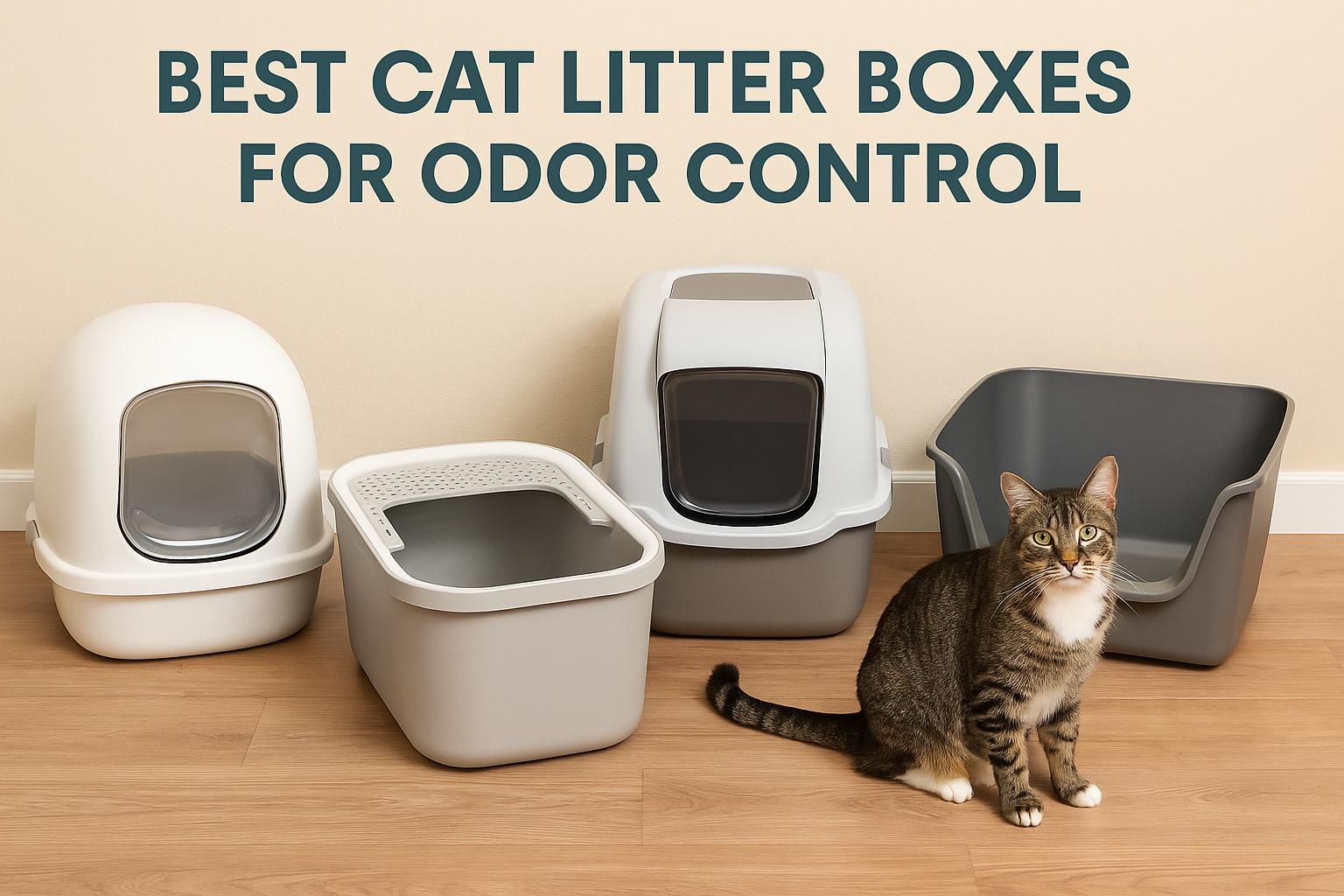
High-sided litter boxes are particularly effective in minimizing litter spread and containing odors within the box. Their design often includes anti-spill guards which not only help to contain the litter itself but also prevent any potential odor leakage.
2. Covered Litter Boxes
Covered litter boxes remain one of the most common choices for cat owners aiming for superior odor control. The enclosed space effectively traps odors, though it is critical to ensure proper ventilation and routine replacement of filters to maintain optimal performance.
3. Automatic Self-Cleaning Litter Boxes
High-tech automatic self-cleaning litter boxes offer a cutting-edge solution for odor control. These models automatically sift and remove waste, reducing the opportunity for odors to build up. Though they are generally more expensive than traditional options, they provide unparalleled convenience and efficient odor management for busy owners.
Maintaining Your Litter Box for Optimal Odor Control
Regardless of the litter box style or features implemented for odor control, regular maintenance is key to ensuring its effectiveness. Daily scooping of waste is an essential part of keeping the litter box odor-free, reducing sources of unpleasant smells promptly. Regular washing of the entire litter box is equally important to prevent odor build-up, and it is advisable to use non-toxic, pet-safe cleaning agents to maintain hygiene without damaging the material of the box.
Additionally, timely replacement of filters or odor-control pads will ensure the box continues to operate at its best capacity. Many pet owners also find that selecting a high-quality clumping litter enhances overall box performance. Such a litter quickly encapsulates waste, preventing odors from spreading and making it easier to scoop out the clumps.
In conclusion, selecting the appropriate cat litter box plays a pivotal role in managing household odors effectively. By carefully considering the materials used, the design of the box, and any additional odor-control features, pet owners can foster a comfortable living space for their feline companions and maintain a pleasant home atmosphere. Furthermore, by adhering to a routine of regular maintenance and utilizing high-quality litter, pet owners can significantly enhance the odor-control capabilities of their chosen litter box and ensure a harmonious environment for all residents.