Understanding the Basics of Drum Sets for Beginners
Starting a journey in drumming requires choosing a drum set that suits the novice’s needs and encourages effective learning. When selecting the best drum sets for beginners, it’s crucial to consider factors such as quality, price, and the specific components included in the set. Understanding these aspects sets an important foundation for aspiring drummers.
Key Components of a Beginner Drum Set
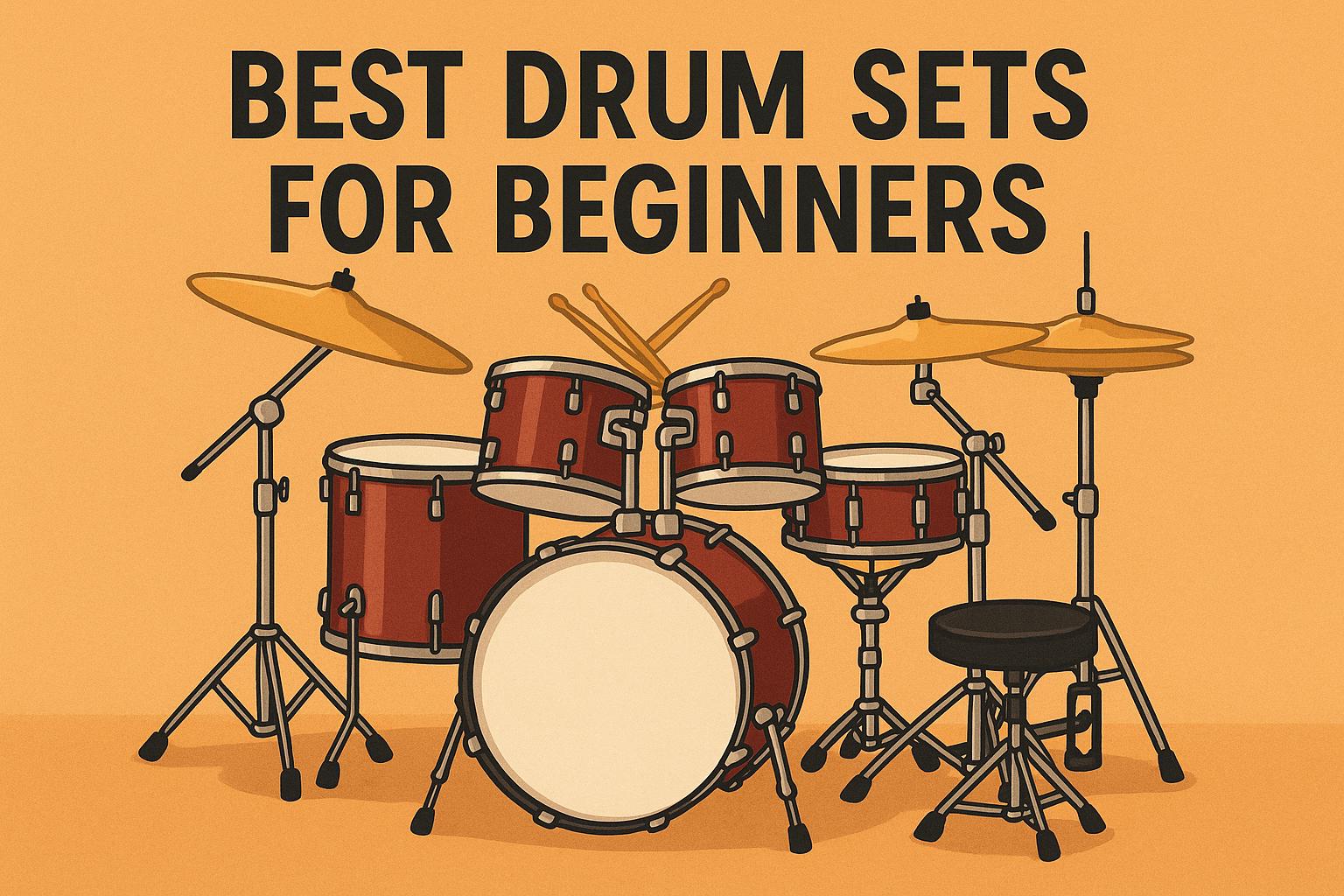
A standard acoustic drum set generally includes the following components:
- Bass Drum: This is the largest drum in the set, played using a foot pedal. Its deep and resonating sound is fundamental for creating the backbone of many musical compositions, particularly in genres like rock, pop, and jazz. The bass drum provides the beat’s pulse and is therefore integral to establishing the tempo and energy of a piece.
- Snare Drum: Known for its sharp and distinct sound, the snare drum is central to many rhythms. The tensioned wires on the bottom, known as snares, give this drum its characteristic “snap,” making it an indispensable component for drummers to accentuate key parts of a performance or provide a signature sound in various music styles.
- Tom-Toms: Typically, a beginner set will include two mounted toms and one floor tom, providing a variety of sounds. These drums vary in size and pitch, allowing drummers to expand their sound palette. They are particularly useful for creating fills and adding depth to a performance, making them essential in both studio and live settings.
- Hi-Hat Cymbals: Comprising two cymbals mounted on a stand, played with a foot pedal and sticks. The hi-hat is crucial for keeping time and adding texture and rhythm, often functioning as one of the primary drivers along with the snare and bass drum in many musical genres.
- Ride and Crash Cymbals: These cymbals add diversity to a drummer’s sound capabilities. While the crash cymbal is often used for its explosive, dramatic accentuation during musical climaxes or transitions, the ride provides a steady, shimmering sound that helps carry the main beat or groove.
For beginners, it’s advisable to opt for a drum set that includes these essentials, ensuring a well-rounded learning experience. Each component plays a vital role in familiarizing the drummer with different elements of rhythm and sound manipulation.
Factors to Consider When Choosing a Beginner Drum Set
Budget: Since this is an initial investment, budget-friendly drum sets are recommended. Beginner drum sets can range widely in price, often influenced by the brand and materials used. Budget options do not necessarily equate to inferior quality; many affordable sets provide sufficient functionality for learning the basics and more.
Quality and Durability: Opt for drum sets crafted from reliable materials to ensure longevity, even if they might lack some features found in higher-end models. A durable set withstands the rigors of practice and beginning mishaps, reducing replacement and repair costs in the long run. Entry-level drummers should look for wood types such as poplar or basswood, which are cost-effective yet robust enough for regular use.
Size and Adjustability: Especially important for young drummers, finding the right-sized drum set is critical. Adjustable stands and mounts help customize the set according to personal comfort and playing style. Consideration for space requirements is also important, ensuring the set fits well within the designated practice area without imposing on comfort or movement.
Sound Quality: While beginners might not require professional sound, a set that provides decent tonal quality can significantly enhance the learning experience. This can aid in teaching the learner how to distinguish between different sounds and rhythms effectively, ultimately sharpening their auditory skills.
Brand Reputation: Established brands often offer better after-sales support and instructional resources, beneficial for beginners. Brands known for their reliability include Yamaha, Pearl, and Ludwig. Novices might benefit from the wealth of structured learning resources and support systems these companies offer.
Electronic Drum Sets for Beginners
For those with space constraints or noise concerns, electronic drum sets can be an excellent alternative. These sets allow users to practice quietly using headphones and feature various sound settings to simulate different drum and percussion instruments. They are also generally more compact, making them suitable for home use. Electronic sets often come with built-in metronomes and play-along tracks, enhancing practice sessions by providing rhythm guides and a virtual band experience.
Electronic sets are particularly appealing for those needing silent practice. With volume control and connectivity options, they present the modern drummer with versatility and convenience not easily achieved with acoustic drums. Many electronic sets also integrate with digital audio workstations (DAWs), opening the possibility for recording and producing music efficiently.
Conclusion
Choosing the best drum set for beginners involves balancing factors like budget, quality, and the specific needs of the drummer. Whether opting for an acoustic or electronic drum set, it is vital to ensure that the chosen option supports learning and growth in drumming skills. Carefully evaluating these aspects will aid in making an informed decision, laying the groundwork for an enjoyable and productive drumming journey. From understanding the essential components to considering personal constraints and environmental factors, aspiring drummers can make choices that will facilitate their development and deepen their appreciation for rhythm and music. As one embarks on this rhythmic adventure, it is the thoughtful selection of instruments and resources that will catalyze their evolution from beginner to proficient drummer.