
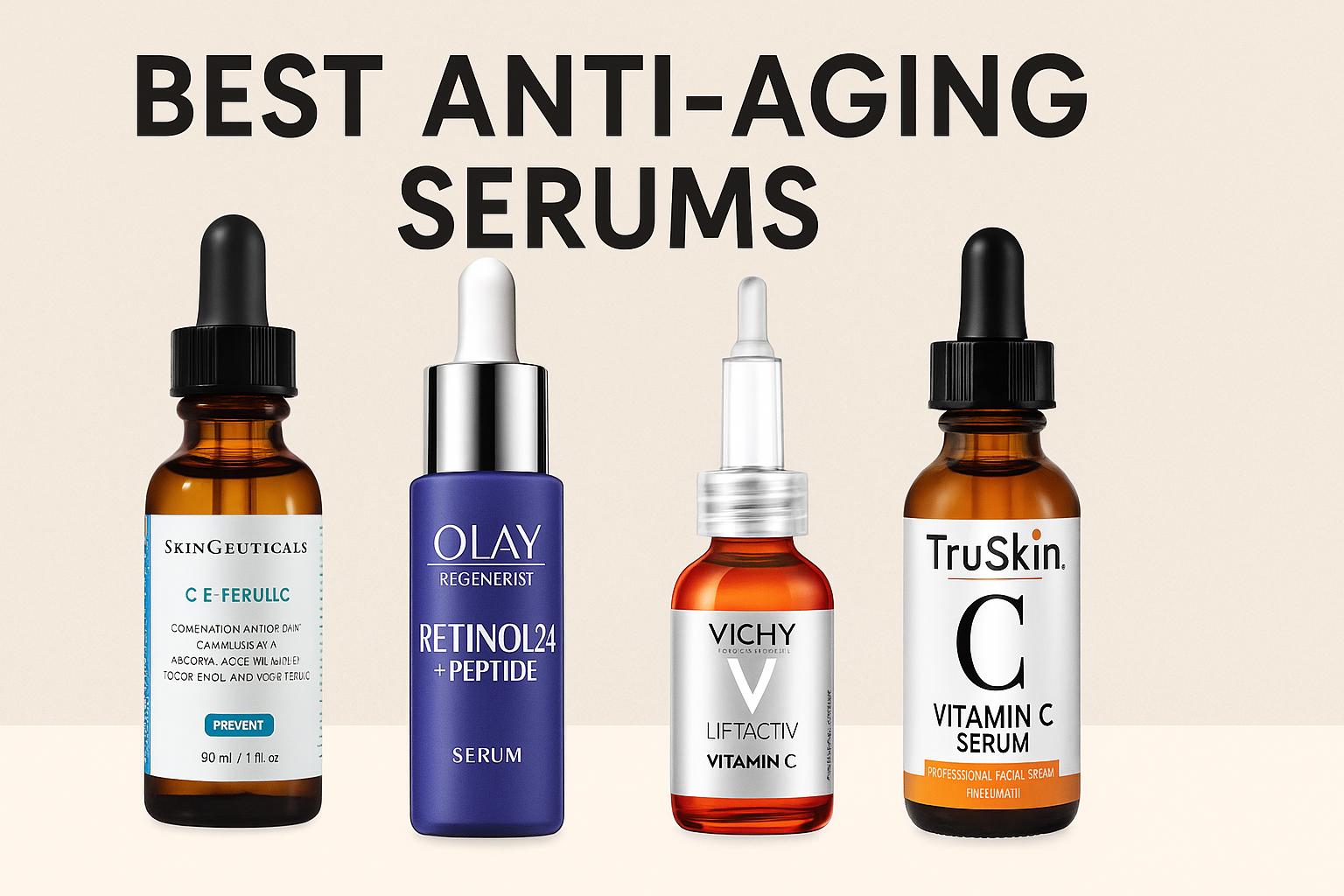
Introduction to Anti-Aging Serums
Anti-aging serums have gained popularity as a primary solution for individuals looking to reduce the visible signs of aging. These serums are designed to address various skin concerns, including wrinkles, fine lines, and uneven skin tone. Understanding the components and benefits of these serums is crucial for making well-informed skincare decisions.
Key Ingredients in Anti-Aging Serums
Effective anti-aging serums are known to contain a blend of active ingredients celebrated for their rejuvenating effects. It is important to learn about these common ingredients in order to understand how they work:
Retinol (Vitamin A): Retinol is one of the most researched ingredients in skincare. It significantly enhances cell turnover and stimulates collagen production, which can diminish wrinkles and fine lines over time. Retinol’s effectiveness makes it a staple in many anti-aging products.
Vitamin C: Known for its powerful antioxidant properties, vitamin C helps reduce dark spots and improves overall skin radiance. Its role in enhancing collagen production further supports its reputation as an essential anti-aging ingredient. Moreover, vitamin C can aid in fighting free radicals, which are harmful to skin health.
Hyaluronic Acid: Hyaluronic acid is renowned for its hydrating capabilities. By attracting and retaining moisture in the skin, it helps to plump up the skin, reducing the appearance of fine lines. This ingredient is particularly beneficial in maintaining skin elasticity and hydration.
Peptides: Peptides, or chains of amino acids, are vital for supporting skin structure and resilience. They work by promoting collagen production, which is essential for maintaining skin firmness and minimizing the appearance of wrinkles.
Niacinamide (Vitamin B3): Niacinamide is a versatile ingredient that offers numerous benefits, including improving skin elasticity, reducing inflammation, and minimizing pore size. Its calming properties make it suitable for various skin types, including sensitive skin.
Benefits of Using Anti-Aging Serums
Including an anti-aging serum in your skincare regimen can yield multiple benefits when used consistently over time. These benefits are essential for achieving healthier, more youthful-looking skin:
Reduction in Fine Lines and Wrinkles: Ingredients like retinol and peptides are particularly effective in promoting collagen production, which, over time, can lead to a significant reduction in the appearance of wrinkles and fine lines. As collagen production increases, skin becomes more resilient and youthful-looking.
Increased Skin Firmness: Vitamin C, known for its firming properties, supports the skin’s overall structure, leading to a more lifted and toned appearance. Firmer skin often translates to a fresher, more youthful look.
Improved Skin Texture: Anti-aging serums can assist in refining skin texture. By evening out the skin surface, they reduce the appearance of enlarged pores and rough patches. This effect contributes to a smoother and softer skin feel.
Hydration: Hydration is key to maintaining healthy skin, and components like hyaluronic acid ensure that the skin remains properly moisturized. Well-hydrated skin is more resilient and less prone to developing fine lines and wrinkles.
Considerations When Choosing a Serum
Choosing an anti-aging serum requires careful consideration of several factors to ensure both its effectiveness and compatibility with your skin type.
Skin Type: Understanding your skin type is crucial in selecting the right serum. Whether your skin is oily, dry, combination, or sensitive, there is an appropriate serum that can meet its specific needs. For example, those with dry skin may benefit from serums rich in moisturizing agents, while those with oily skin might prefer lighter formulations.
Ingredient Concentration: Pay attention to the concentration of active ingredients listed on the label. Higher concentrations often imply increased efficacy; however, they can also increase the risk of irritation, especially for sensitive skin. Testing a small patch area before full application can help identify any potential adverse reactions.
Usage Instructions: Always adhere to the manufacturer’s guidelines for application. This often includes usage recommendations such as time of day for application and whether to apply on damp or dry skin. Following these instructions maximizes the serum’s absorption and effectiveness.
Conclusion
Incorporating an anti-aging serum into a skincare routine offers a targeted approach to addressing concerns related to skin aging. By understanding the active ingredients and potential benefits, individuals can choose serums tailored to their unique skin needs. An informed choice not only optimizes the effectiveness of the serum but also enhances the overall skincare experience, making it a valuable addition to one’s daily regimen.
Choosing the right anti-aging serum remains a personalized journey, influenced by individual skin conditions and preferences. Ongoing evaluation and adjustment, in response to skin changes and goals, are essential aspects of finding the perfect serum that complements and enhances a balanced skincare routine.