Introduction to Aquarium Starter Kits
Aquarium starter kits provide a convenient entry point for newcomers to the hobby of fish-keeping. These kits typically include all the essential components required to begin and maintain an aquarium, making them particularly appealing for beginners. Selecting the right kit involves understanding various factors such as tank size, included equipment, and compatibility with preferred fish species.
Components of an Aquarium Starter Kit
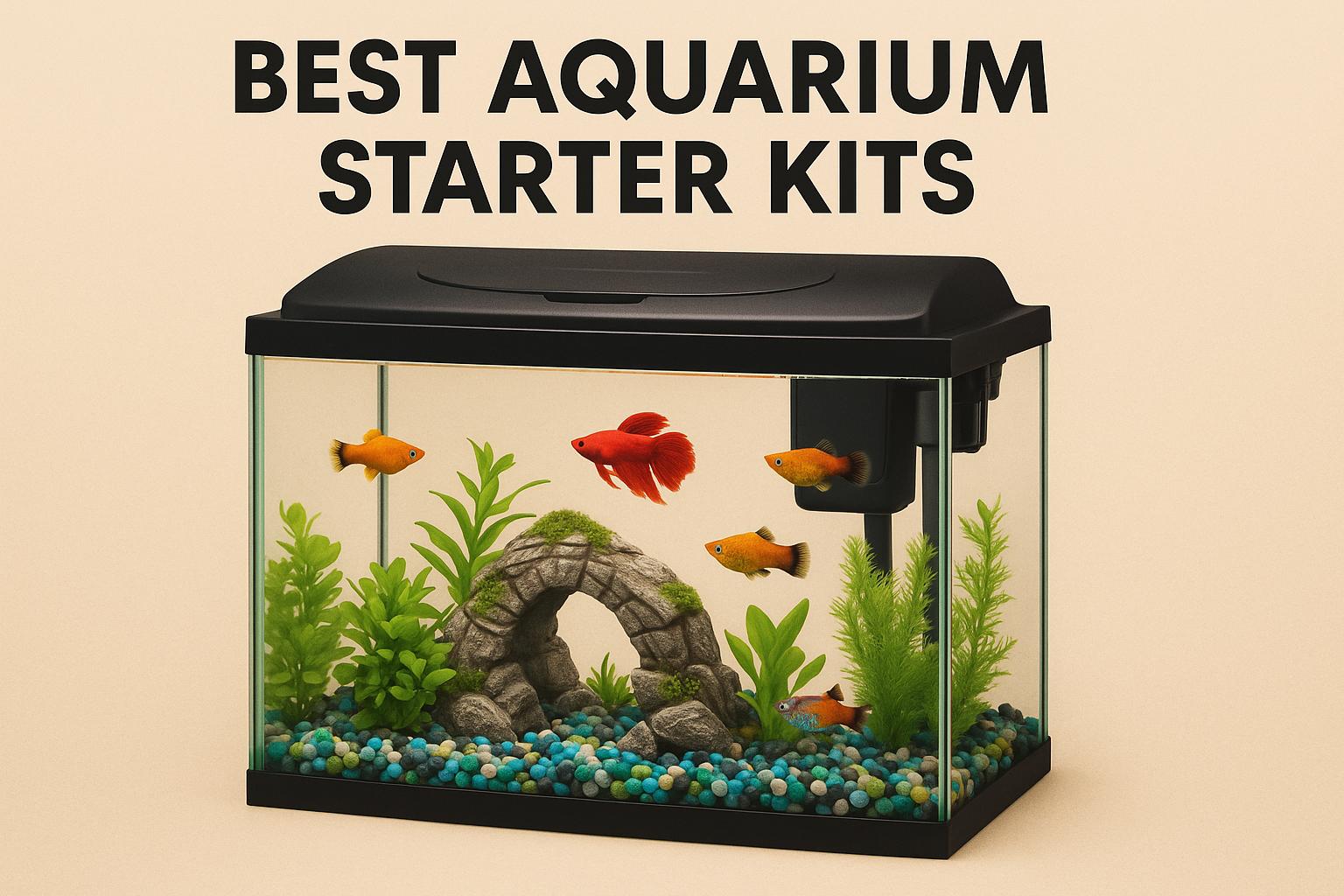
Most starter kits are designed to simplify the initial setup process and typically include the following components:
Aquarium Tank: Sizes generally range from 5 to 55 gallons, catering to various space and usage needs. Choosing the appropriate size depends on the types and number of fish you plan to keep.
Filtration System: Effective filtration is crucial for maintaining water quality. Most kits come with a filter system appropriate for the tank size, ensuring adequate water circulation and waste removal.
Lighting: Lighting enhances the visual appeal of the aquarium and supports the health of aquatic plants and fish. Many kits include LED lighting due to its energy efficiency and optimal light spectrum.
Heater: For tropical fish, maintaining a stable water temperature is vital. Some starter kits include a heater, although this is often seen in kits designed for larger tanks.
Conditioning Supplies: To condition and dechlorinate tap water, kits may include water treatment samples or test strips for monitoring water quality.
Things to Consider When Choosing a Starter Kit
When selecting an aquarium starter kit, consider the following aspects to ensure the kit meets your specific needs and preferences:
Tank Material: Aquariums are primarily available in two materials: glass or acrylic. Glass tanks are more scratch-resistant, while acrylic tanks are lighter and provide better insulation.
Space Availability: Measure the space where you plan to place the aquarium to ensure it fits comfortably without creating a cluttered environment.
Fish Compatibility: Consider the species of fish you plan to raise. Some fish require specific conditions such as water temperature or pH level, which may influence the kit choice.
Popular Aquarium Starter Kits
Among various options available, the following kits have gained popularity for their quality and ease of use:
Aqueon LED MiniBow Aquarium Starter Kit: Known for its compact size and advanced LED lighting, this option is suitable for small spaces.
Fluval Spec V Aquarium Kit: This kit stands out with its modern design and powerful three-stage filtration system, ideal for small freshwater environments.
MarineLand 5-Gallon Portrait Kit: Featuring sleek glass construction and a hidden filtration system, it caters to those looking for an elegant setup.
Conclusion
Choosing the right aquarium starter kit can greatly ease the entry process into the world of fish-keeping. By considering factors such as tank size, filtration system quality, and compatibility with your chosen species, you can make an informed decision that suits your needs and ensures a healthy environment for your aquatic pets.
Understanding Aquarium Tank Sizes
One of the central considerations when purchasing an aquarium starter kit is understanding the appropriate tank size for your needs. Aquarium tanks vary significantly in size and can influence the overall experience of maintaining an aquarium. The size affects not only the types of fish you can keep, but also the overall health and success of your aquarium ecosystem.
Small Tanks
Small tanks, ranging from 5 to 10 gallons, are suitable for those who might have limited space or are interested in keeping a modest number of fish. These tanks are often easier to manage, making them a good choice for beginners. However, they require diligent maintenance to prevent overstocking and to maintain water quality, as smaller water volumes are less forgiving of mistakes.
Medium Tanks
Medium-sized tanks, generally between 20 to 40 gallons, offer more stability in terms of water parameters and temperature. They provide more room for error and can accommodate a wider variety of fish, making them ideal for those looking to expand their hobby. The larger size supports enhanced biodiversity, allowing fish to exhibit more natural behaviors.
Large Tanks
Larger tanks, ranging from 50 gallons and above, offer the opportunity to set up expansive, vibrant aquatic displays. Although they may require a significant initial investment and more space, these tanks are often easier to maintain in terms of stable water conditions. They can accommodate more fish and larger species and are suitable for hobbyists interested in complex aquascaping and intricate fish communities.
The Role of Filtration Systems
Filtration systems are vital for maintaining a healthy aquarium environment. These systems perform several functions, such as removing waste, ensuring water clarity, and maintaining suitable water chemistry, ultimately supporting the well-being of the fish and plants.
Types of Filtration
Aquarium filtration can generally be divided into three categories: mechanical, biological, and chemical.
Mechanical Filtration: This process involves the physical removal of particles and debris from the water. Filters trap large particles that cloud the water, making it clear and visually appealing.
Biological Filtration: Biological filters promote the growth of beneficial bacteria that break down harmful nitrogenous waste products such as ammonia and nitrites into less harmful nitrates. This process is essential in mimicking the natural ecosystem’s balance.
Chemical Filtration: This type of filtration involves using activated carbon or similar media to remove dissolved particles from the water, effectively targeting pollutants that mechanical and biological filtration might miss.
Choosing the Right Filtration System
When selecting a filtration system, it’s imperative to consider the type of aquarium you wish to maintain. A saltwater aquarium might demand a different setup than a freshwater one. Assessing the size of your aquarium will also guide your filtration choice, ensuring that the filter provides adequate water turnover to maintain a healthy environment.
Lighting and Its Importance
Lighting in an aquarium setting is more than just a measure to showcase the aesthetics of the tank; it plays a significant role in the overall health of both the plants and fish living within.
Supporting Plant Growth
In planted aquariums, lighting is crucial because plants rely on light for photosynthesis, which is vital for their growth and the release of oxygen into the water. Insufficient lighting can lead to stunted plant growth and may promote unwanted algae due to imbalance.
Enhancing Fish Health
Proper lighting conditions can influence the behavior and physiology of fish. Adequate lighting helps regulate their circadian rhythms, promoting natural behaviors and aiding in stress reduction. This is also important for breeding certain species of fish that are light-sensitive.
Lighting Options
LED lighting is commonly included in many starter kits because of its energy efficiency and longevity. It provides a customizable light spectrum to suit different inhabitants’ needs. Fluorescent lighting is another option, particularly in applications requiring stronger light intensity, such as densely planted aquariums.
Concluding Thoughts on Aquarium Starter Kits
Aquarium starter kits offer an integrated solution for beginners and serve as a foundation for a successful foray into fish-keeping. Looking beyond the basic components and understanding each aspect’s functional role can empower hobbyists to curate environments that reflect their interests and support their chosen species. Investments in thoughtful selection and setup pave the way for a rewarding and enduring experience in the captivating world of aquariums.