
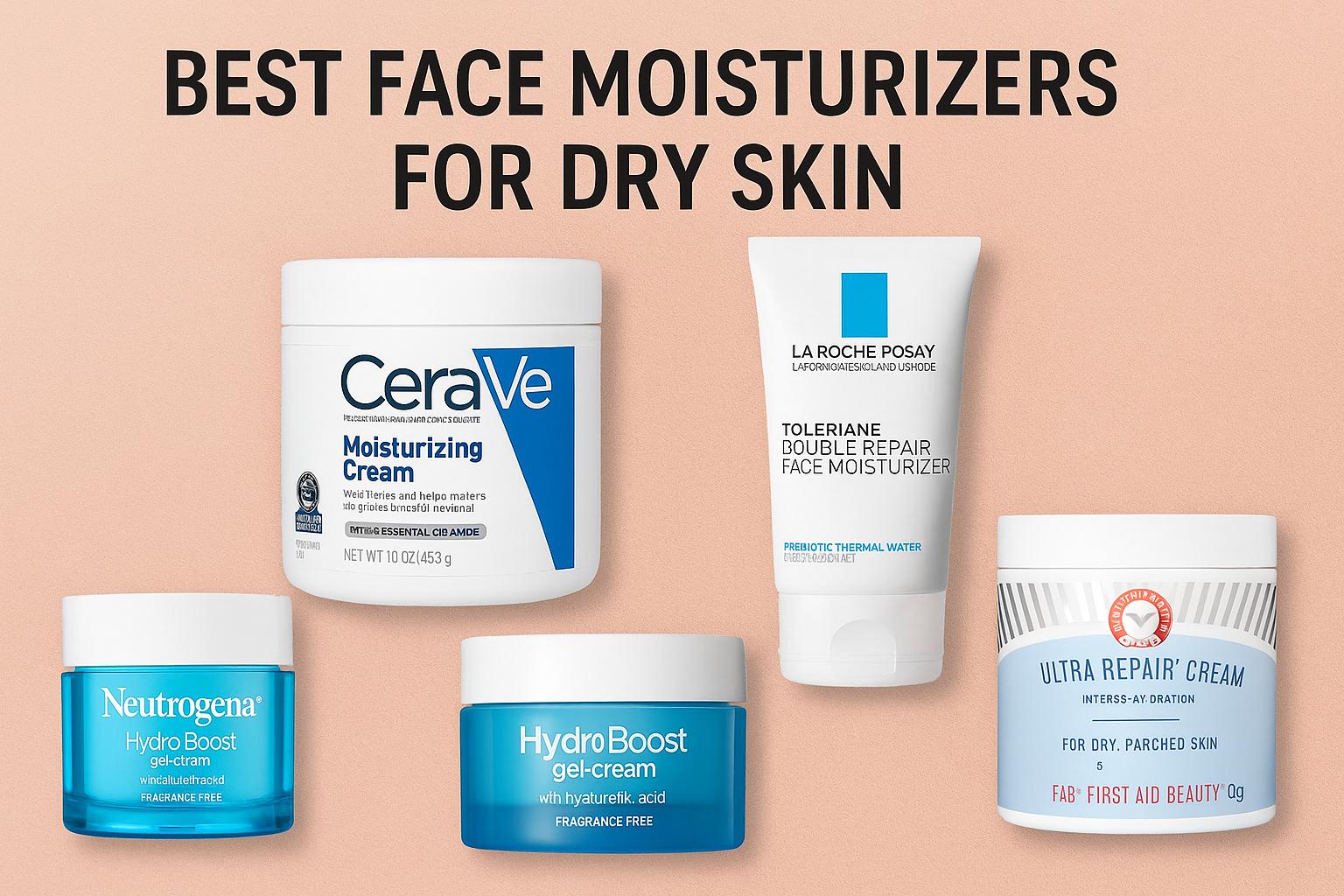
Understanding Dry Skin
Dry skin, a condition affecting a significant portion of the population, can cause continuous discomfort due to its characteristic lack of moisture in the skin’s outer layer. This lack of moisture often manifests through symptoms like flakiness, itchiness, and even cracks. Various factors contribute to the development and progression of dry skin, including environmental elements, genetic predisposition, and the use of certain skincare products that may be too harsh. To effectively manage dry skin, appropriate hydration techniques, primarily through the use of moisturizers, play a crucial role.
Causes of Dry Skin
Numerous factors can lead to dry skin, each requiring a unique management strategy. Environmental factors are principal contributors; they include exposure to cold weather, low humidity, and excess heat, which can all strip moisture from the skin. Indoor factors, such as overuse of central heating and air conditioning, also exacerbate the condition by creating dry air environments.
Genetics play another substantial role as some individuals are predisposed to certain skin conditions like eczema, which often presents with exceptionally dry skin. Age is also a natural factor; as we grow older, our skin tends to produce less oil and retains less moisture, making dryness increasingly common.
Furthermore, lifestyle choices and product use, such as taking long, hot showers and using soaps or cosmetics with harsh ingredients, can worsen skin dryness. Washing the skin too frequently or vigorously can strip away the natural oils that help to retain moisture.
Key Ingredients to Look For
To combat the effects of dry skin, selecting the right moisturizer is essential. Key ingredients with proven hydrating properties can significantly enhance skin moisture retention.
Hyaluronic Acid: With its remarkable capacity to hold moisture, hyaluronic acid is a favored ingredient in many hydrating skincare products. It helps in skin plumping, providing a smoother appearance by reducing fine lines.
Glycerin: Serving as a humectant, glycerin attracts water from both deeper layers of the skin and the surrounding environment, thus assisting in maintaining hydration levels effectively.
Ceramides: These natural lipids restore and maintain the skin’s barrier function. By strengthening the skin’s defense, ceramides play a pivotal role in preventing moisture loss.
Shea Butter: Known for its rich, creamy texture, shea butter offers deep nourishment. It is particularly effective for very dry skin, providing a soothing, protective layer.
Squalane: As a lightweight oil, squalane closely mimics natural skin oils and is readily absorbed. It offers enduring moisture without the greasy residue, making it suitable for varied skin types.
The Importance of Texture and Consistency
For individuals with dry skin, the texture and consistency of skincare products are vital in determining their effectiveness. Thicker creams are often preferred as they create a substantial barrier against water loss. Yet, those who favor lighter textures can find lotions, particularly those enriched with moisturizing ingredients, to be effective.
Choosing between creams and lotions often comes down to personal preference and the specific needs of the skin at different times or seasons. While creams are excellent for winter months, lotions might suffice in humid or warmer climates.
Application Tips
Maximizing the effectiveness of moisturizers involves not only the right choice of product but also proper application techniques:
Apply on Damp Skin: To enhance absorption and locking of moisture, moisturizers should ideally be applied to slightly damp skin. This practice helps to trap surface moisture, preventing it from evaporating.
Use Gentle, Circular Motions: Applying moisturizers using gentle, circular motions ensures an even distribution. This method increases blood flow to the area, promoting better absorption and invigorating the skin.
Layer Wisely: When incorporating additional products like serums, it is advisable to apply them in the order of their texture—from the lightest to the heaviest—to optimize absorption and effectiveness.
Special Considerations and Professional Advice
While over-the-counter moisturizers and products significantly aid in managing dry skin, those experiencing persistent or severe dryness should consider consulting a dermatologist. Persistent dryness may be indicative of underlying conditions requiring professional evaluation and treatment.
Dermatologists can offer tailored advice, often recommending prescription-strength treatments if needed. Such treatments may involve targeted therapies that address specific issues beyond simple dryness, such as inflammation or a compromised skin barrier. Guidance from a professional ensures that the chosen skincare strategies are both safe and effective, particularly for sensitive or problematic skin types.
In conclusion, combating dry skin involves a multifaceted approach consisting of selecting appropriate face moisturizers, understanding the importance of textures and consistencies, and applying with the correct techniques. By addressing dry skin using suitable products and methods, individuals can experience notable improvements in both the skin’s comfort and appearance. Efficient management of dry skin not only contributes to a more pleasant tactile experience but also enhances the overall health and longevity of the skin.